
Multi-chain assets
Identify which network holds an asset and understand how addresses, fees and confirmation status fit together.
Explore networks →A multi-chain wallet, blockchain network and Web3 knowledge hub from imtoken
imtoken brings multi-chain assets, network selection, transfers, DApp connections, token approvals and wallet security into one clear learning path. The goal is to help users understand what they are confirming before every signature, not simply click through prompts.
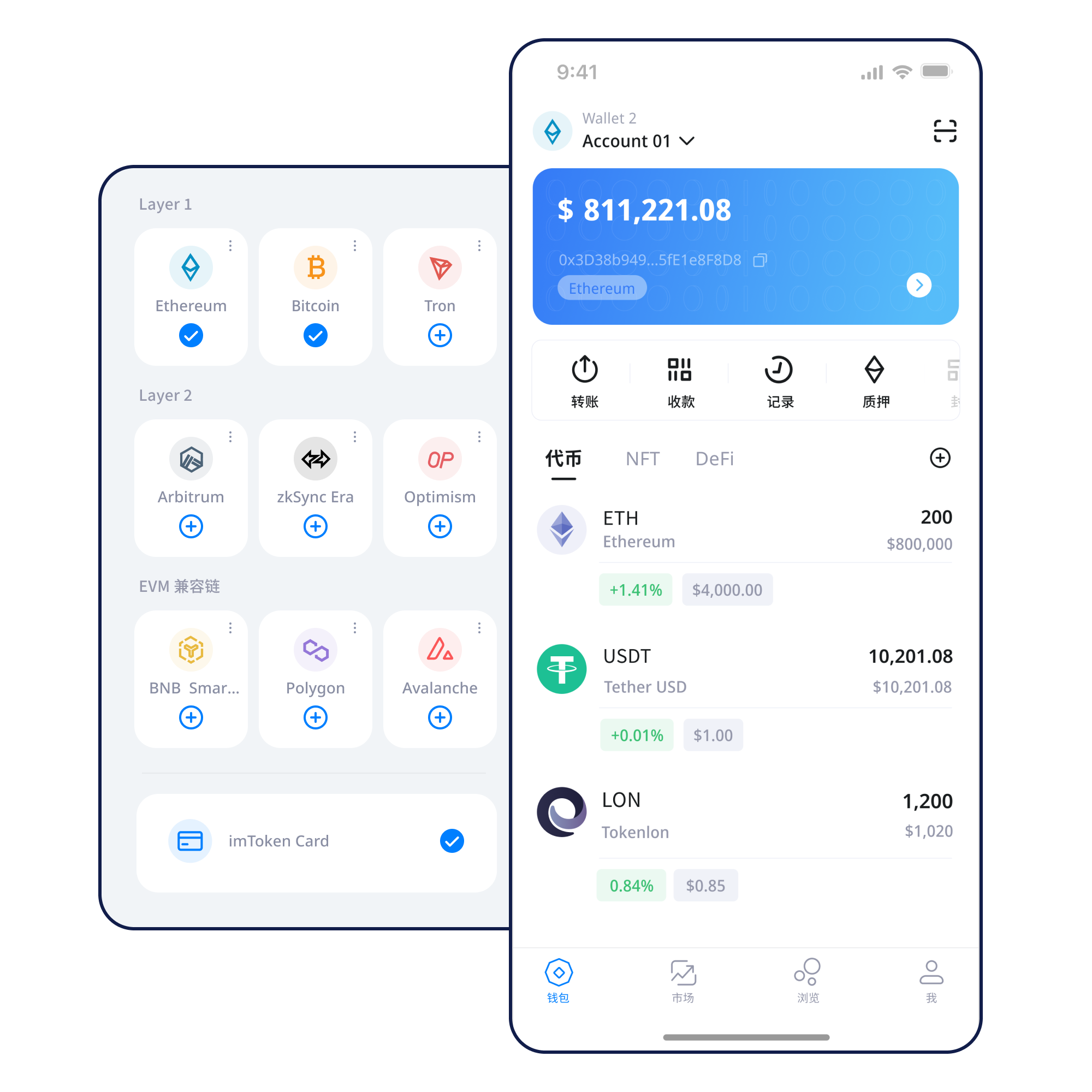
Use a trusted device and make an offline seed-phrase backup immediately after creation.
→02Back Up a WalletAvoid screenshots and cloud uploads; make sure the backup is readable and stored under your control.
→03Receive AssetsVerify the receiving address, network and token context before sharing an address.
→04Send AssetsConfirm address, network, amount and gas; use a small test first when the transfer is significant.
→05Connect to a DAppVerify the domain and source, then review connection, signature and approval requests independently.
→Identify which network holds an asset and understand how addresses, fees and confirmation status fit together.
Explore networks →Review assets, switch networks, inspect transaction history and verify request origins before using DApps.
Use browser sessions for Web3 access while reviewing account connections, signatures and approval scope independently.
Learn web connections →
Keep seed phrases and private keys under your own control, prefer offline backups and review DApp permissions regularly.
A multi-chain wallet can provide one interface, but the state of each network remains separate. Verify the network, address and contract before switching chains or moving assets.
Read the guide →Public chains propagate transactions through nodes and record them in blocks. Block height, confirmations and transaction hashes help verify whether a transfer has been recorded.
Read the guide →
EVM networks share many execution and address conventions, but each chain maintains separate assets, contracts and fee conditions. Check the token contract and approval spender.
Read the guide →
Layer 2 systems may rely on a base network for settlement or data availability. Deposits and withdrawals can involve extra steps and waiting periods.
Read the guide →
Gas reflects execution resources, while congestion and complexity influence the fee. After broadcast, use a transaction hash to verify the actual result.
Read the guide →Use the official download entry rather than a link from an unsolicited message or ad.
Avoid public computers and remote-control environments when creating or importing a wallet.
Keep seed phrases and private keys offline; do not screenshot, upload or send them to anyone.
Select the network where the asset actually exists and verify the address, token and chain.
Check the destination, amount, gas and network. A small test can reduce mistakes before a large transfer.
Keep the transaction hash, review confirmations, and periodically remove DApp permissions you no longer need.
A DApp may first request an account connection and later ask for a message signature, transaction signature or token approval. Treating each action separately helps prevent "connected" from becoming a blanket permission for everything that follows.
Open the Web3 guide →Open the DApp and verify the domain
Check the source before connecting
Review the account connection request
Distinguish message and transaction signatures
Check token approval spender and amount
Verify the on-chain result after the action
Disconnect sessions you no longer need
Good wallet security reduces key exposure, verifies destinations, reads signing requests and removes permissions that are no longer needed. imtoken will never ask for your seed phrase, private key or verification code. Blockchain transactions are generally not reversible by a wallet provider, so a stable pre-signing checklist matters more than post-event promises. Third-party DApps, smart contracts, public devices and untrusted networks can all add risk.
Go to Security →Start with addresses, seed phrases and private keys, then learn networks, gas and transaction hashes. After basic transfers make sense, move into DApps, signatures and approvals. This order mirrors real wallet use and makes troubleshooting more grounded.
Read getting started →A useful staking introduction starts with Ethereum PoS, validator duties, reward sources, withdrawals and exits. Rewards are not fixed or guaranteed. Exit timing can vary, and validators can face penalties, technical failures, smart-contract risk and market volatility.
Learn Ethereum staking →A clearer path for creation, backup, receiving, sending and transaction checks, organized by user task.
Across EVM and Layer 2 environments, similar address formats do not mean the networks are the same.
Any page or person asking for a seed phrase, private key or verification code should be treated as unsafe.
Additional PoS, validator, exit and penalty explanations without fixed-return claims.
For balance, network, transfer, DApp or approval questions, first verify the network and transaction hash, then decide whether the issue is on-chain state, display, or permissions.
View full FAQ →A digital wallet helps manage on-chain accounts, addresses and signing actions. Assets are recorded on blockchains; the wallet mainly helps the user manage keys and interact with networks.
A private key directly controls a specific account. A seed phrase is commonly used to derive multiple private keys. Both are highly sensitive and should be kept offline by the user.
No. Support should not possess or ask for a user’s seed phrase or private key. Without a usable backup, a wallet service generally cannot restore control of an on-chain account.
Different networks can use similar address formats while keeping separate assets and contracts. A mismatch between the sending and receiving network can make recovery difficult.
Gas is a way to account for the resources needed to execute a transaction or contract call. Fees can vary with network rules, transaction complexity and congestion.
A transaction hash is a public identifier that can be checked in a block explorer to review status, block inclusion, fees and confirmation progress.
First confirm that you are checking the correct network, then use the transaction hash in a block explorer. Congestion, fee settings and node synchronization can all affect what the wallet displays.
After downloading, create or import a wallet, make an offline backup, and only then move to receiving, sending or DApp activity. No one should ask you for a seed phrase, private key or verification code.